
NAPA CITY
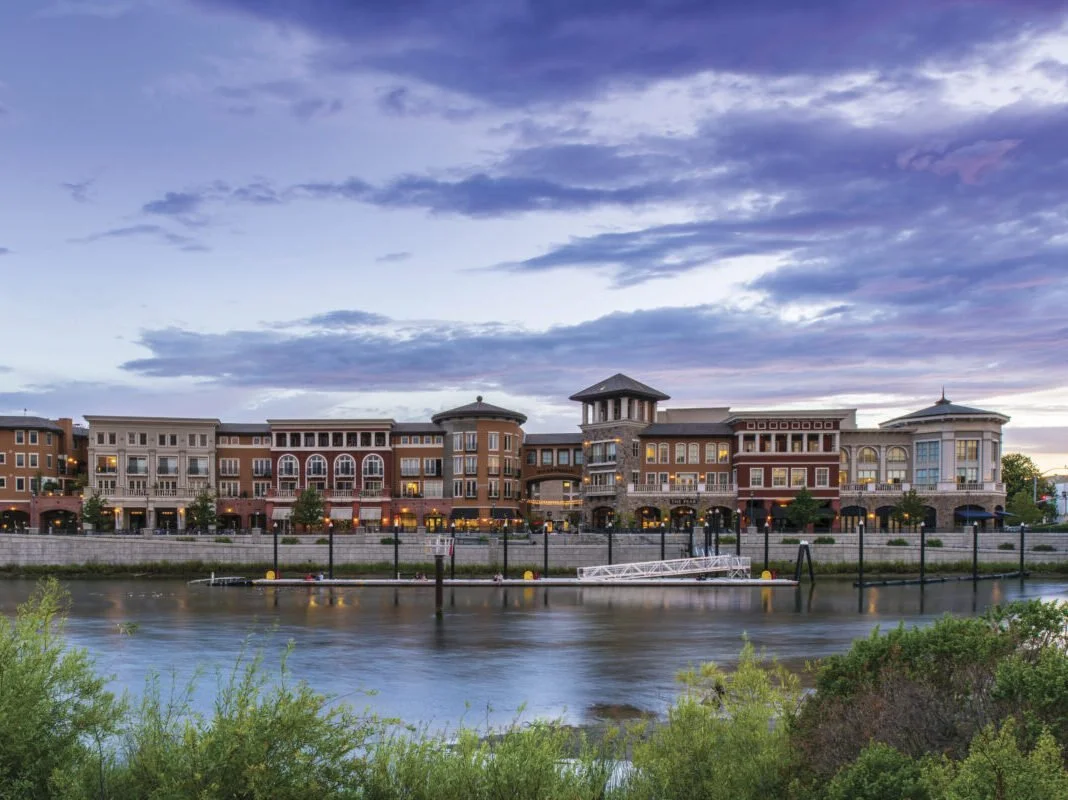
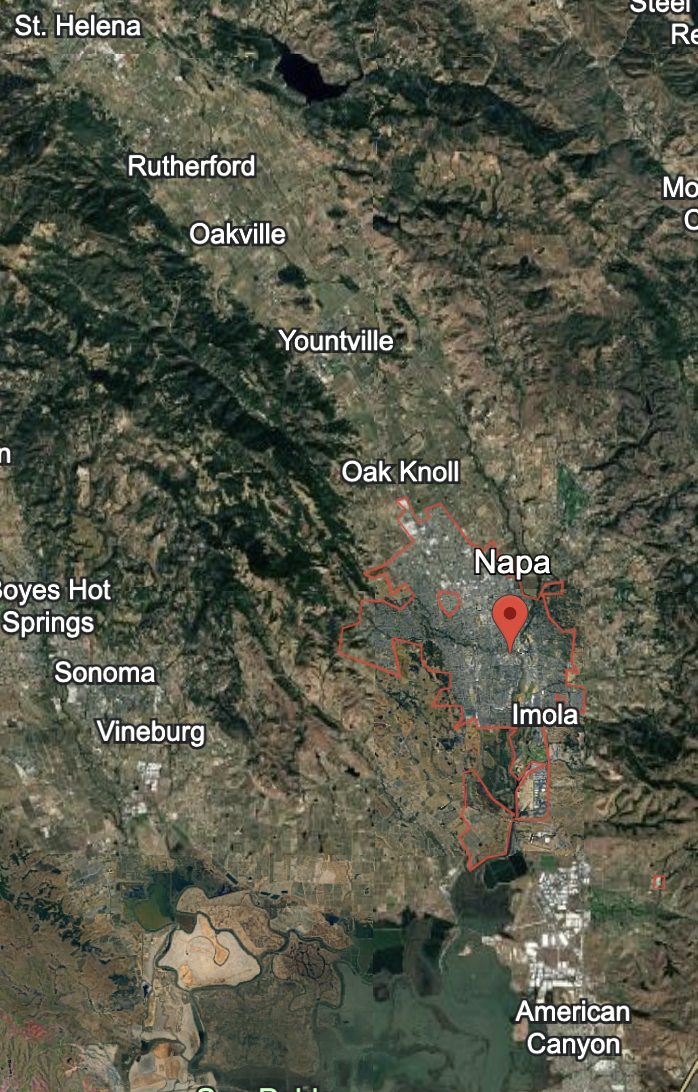
For decades, the City of Napa was something visitors drove through on their way to somewhere else. That changed. The southern anchor of Napa Valley and the county seat — with a population of about 80,000 — Napa has spent the last twenty years reclaiming its waterfront, reinvesting in its downtown, and emerging as a destination in its own right rather than a gateway to the up-valley towns.
The city's history runs deeper than most assume. Nathan Coombs founded Napa in the late 1840s on land carved from a Mexican land grant, naming it for a Wappo village whose name is generally understood to mean "fairy valley." Through the second half of the nineteenth century the town grew into a busy commercial center for ranchers, miners, and grape growers, with riverboats moving freight to San Francisco and saloons lining the streets near the wharves. The Napa River, which winds through downtown, has flooded the city dozens of times over its history; the Napa River Flood Project, completed in stages over the past two decades, finally allowed the city to embrace its waterfront rather than fence it off.
The catalyst for downtown's reinvention is the Oxbow Public Market, opened in December 2007 on First Street under the leadership of developer Steve Carlin, who had also designed San Francisco's Ferry Building Marketplace. Across 40,000 square feet, roughly twenty-two artisan vendors share space — Hog Island Oyster Co., The Fatted Calf, Model Bakery, Ritual Coffee, Gott's Roadside, Oxbow Cheese & Wine — and the market draws an estimated 1.8 to 2 million visitors a year. Locals shop there for produce, butchery, and bread; visitors graze across cuisines. Just upstream sit the CIA at Copia campus and a thriving cluster of independent restaurants, including the Michelin-recognized La Toque and Kenzo Napa.
Downtown itself rewards a slow walk. First Street and Main Street carry restored Victorian and Italianate facades, anchored by the Napa Valley Opera House (built 1879) and the Uptown Theatre. The riverwalk threads behind hotels and restaurants, connecting the Oxbow District to downtown's heart. Modern hotels such as the Archer and Andaz coexist with bed-and-breakfasts in older homes, and the Wine Train still rolls out from its McKinstry Street depot.
What makes the city distinct from the up-valley towns is range. Napa has true neighborhoods — Old Town, Browns Valley, Alta Heights, Coombsville at its eastern edge — each with its own character, schools, and price points. Napa real estate spans Craftsman bungalows under $1 million, riverside condos for retirees and pied-à-terre buyers, and substantial estates in the foothills. The city's diversity is its strength: a working town with a deep cultural life that happens to sit at the southern end of one of the world's most celebrated wine regions. For buyers who want full-time amenities, walkable streets, and access to everything north of them, downtown Napa has become the practical center of valley life.
